The Game Changes Every Minute: How to Read Live Situations Before the Books Catch Up
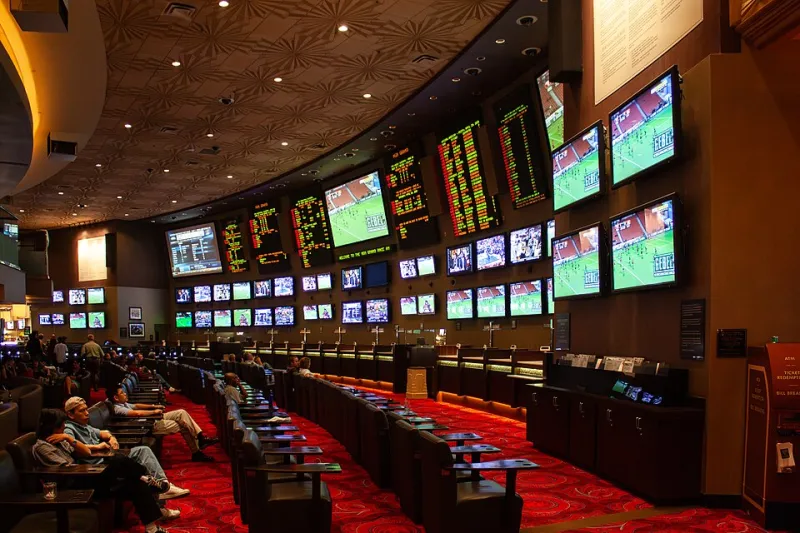
Photo: Chad Davis, CC BY 2.0, via Wikimedia Commons
Pre-game handicapping is basically a forecasting exercise. You're studying rosters, weather reports, historical matchups, and injury designations before a single snap, pitch, or tip-off has happened. It's educated guesswork dressed up in spreadsheets.
Live betting is something else entirely.
Once the game starts, you're no longer predicting — you're interpreting. The information is flowing in real time, and the question shifts from what might happen to what is happening right now, and what does it mean for what comes next? That distinction is everything when it comes to finding genuine edges in live markets.
Why Live Lines Are Slower Than You Think
Sportsbooks have gotten incredibly sophisticated. Automated algorithms adjust live spreads and totals constantly, often faster than a human trader ever could. So you'd be forgiven for assuming there's no lag worth exploiting.
But here's the thing: speed isn't the same as accuracy.
Algorithms are reactive. They're calibrated to respond to scoring events, possession changes, and time remaining — the kind of structured data that's easy to feed into a model. What they're slower to process is contextual information. The stuff that requires actual watching.
Is the starting quarterback limping on his plant foot after that last scramble? Did the head coach just burn both timeouts in the second quarter, suggesting he's rattled? Is the home team's best rebounder in foul trouble with nine minutes left in the first half? These are real, game-altering developments that take time to get priced in — especially in lower-profile matchups where books dedicate fewer live trading resources.
That gap between what's happening and what the line reflects? That's your window.
The Three Situations Worth Watching For
Not every mid-game development creates a betting angle. Most of the time, the market catches up almost immediately. But there are specific categories of in-game circumstances that consistently create exploitable lag.
1. Undisclosed or Developing Injuries
The most obvious category, and still the most valuable. Pre-game injury reports are notoriously incomplete. Players suit up questionable and then clearly can't go. Others get hurt in warmups and the information takes time to filter through official channels.
During the game itself, soft-tissue issues — hamstring tightness, ankle rolls, shoulder stingers — often aren't announced until a timeout or TV break, and even then the severity is unclear. If you're watching closely and you can see a key player favoring a leg before the book knows the extent of the issue, you have a genuine informational advantage.
This is especially true in the NFL, where a left tackle going down quietly can completely change a team's ability to protect the pocket — something that won't show up in the score for another two or three possessions.
2. Momentum Shifts That Aren't Reflected in the Score
Scoring is a lagging indicator. Momentum builds before it shows up on the scoreboard, and that's where the smart live bettor lives.
Consider a college basketball game where one team's press defense is suddenly generating turnovers on three straight possessions — but they haven't converted those turnovers into points yet. The score looks close. The live spread probably hasn't moved much. But if you've watched enough basketball to recognize what a defensive run looks like before it becomes a scoring run, you can get down before the line moves.
The same logic applies in baseball when a starting pitcher's velocity starts dropping and hitters are suddenly making hard contact that happens to find gloves. The hits will come. The total will likely move. Getting ahead of that adjustment is where the value is.
3. Coaching Adjustments and Strategic Signals
This one requires the most experience to read, but it's arguably the most underrated category. Coaches communicate a lot through their decisions — timeout usage, substitution patterns, defensive scheme changes — and those decisions telegraph intent in ways that algorithms can't easily quantify.
A defensive coordinator switching from zone to man coverage in the third quarter of an NFL game is telling you something. A basketball coach going small-ball lineup with 14 minutes left is making a calculated bet on pace. An MLB manager pulling a starter after only 80 pitches with runners on base says something about his confidence in that pitcher going forward.
If you can read those signals before they produce outcomes, you're operating on a different level than the casual live bettor who's just reacting to what's already happened.
The Discipline Problem With Live Betting
Here's the honest part: live betting is genuinely dangerous for most recreational bettors, and it's worth naming that directly.
The speed of the market, the adrenaline of watching a game, the temptation to chase a bad pre-game bet by hammering the live line — all of it creates an environment where your bankroll can evaporate faster than you realize. We've talked before about the psychology behind bankroll collapse, and live betting is one of the fastest accelerants.
The sharpest live bettors treat it like a sniper operation, not a machine gun approach. They identify one or two specific scenarios they're prepared to act on before the game starts, and they wait for those scenarios to emerge. If they don't emerge, they don't bet.
That kind of patience is rare, but it's what separates the bettors who actually profit from live markets from the ones who just burn their stake chasing action.
Setting Yourself Up Before Kickoff
Good live betting actually starts before the game. Here's a practical framework:
- Identify key personnel matchups that could shift dramatically if one player is limited or unavailable.
- Know the pace tendencies of both teams so you can recognize when a game is playing significantly faster or slower than expected — which affects totals more than most casual bettors realize.
- Understand each team's timeout and clock management philosophy, especially in football and basketball, so coaching decisions read as signals rather than noise.
- Have a target number in mind. If you think Team A is a live dog worth backing if they fall behind by more than a touchdown in the first half, decide that before the game starts. Don't figure it out under pressure.
The pre-game homework doesn't become irrelevant once the ball is in the air — it becomes the lens through which you interpret everything that happens after.
The Real Edge Is Attention
The books have more data than you. They have faster algorithms. They have entire teams of traders watching these games.
What they don't always have is the combination of contextual understanding and genuine attention that a focused, prepared bettor brings to a single game. You're watching one matchup. They're managing thousands of live markets simultaneously.
That asymmetry is real, and it's the foundation of every legitimate live betting edge. You won't find it on every play or in every game. But when the situation develops the way you anticipated — when the injury happens, when the momentum shifts before the score reflects it, when the coach makes the move you saw coming — being ready to act quickly and confidently is what turns attention into profit.
Bet bold. Play smart. Win big — but only when the situation actually warrants it.